

Energy M&A After the Renewables Rush: Storage, Dispatchability and a Deadline-Driven Half
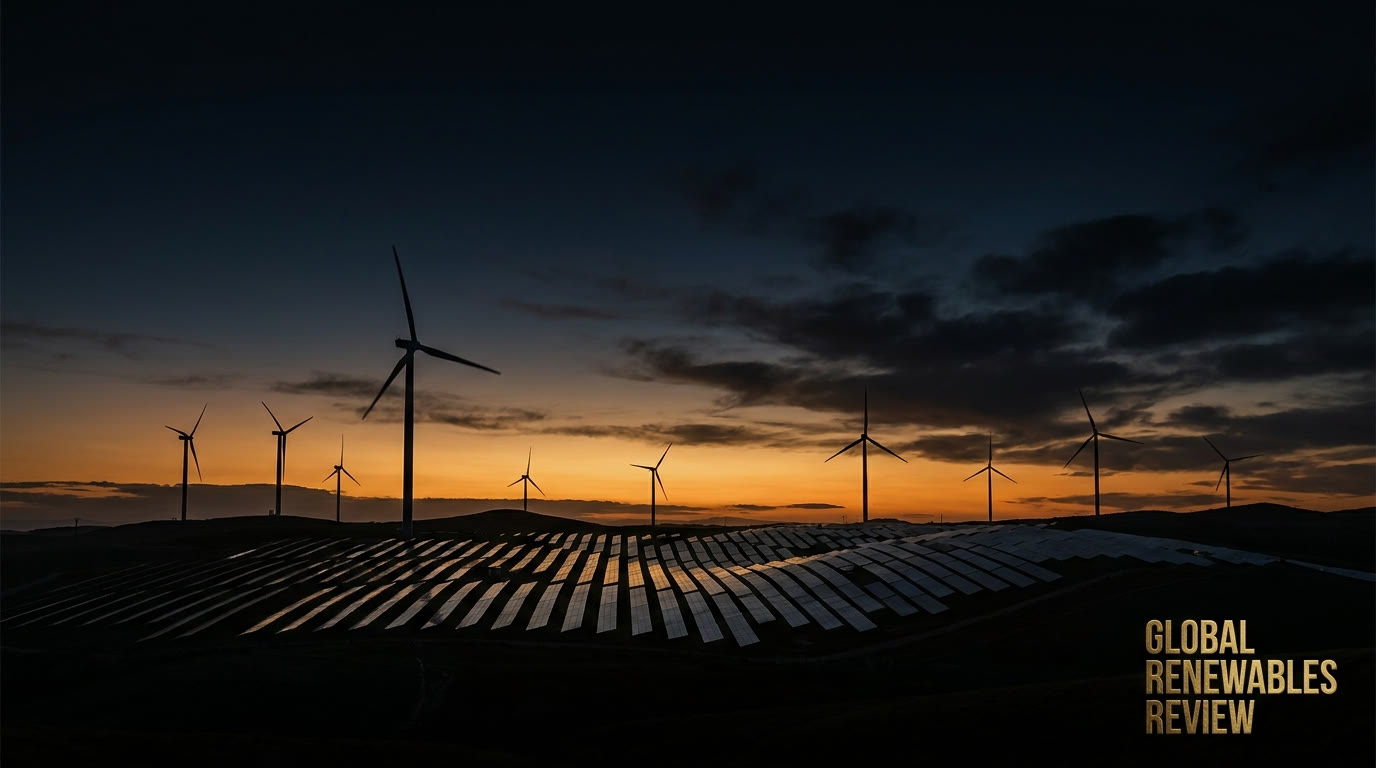
Energy deal-making is being reshaped by two forces at once: a hard deadline and a strategic pivot. The mandate to begin physical construction by July 4, 2026 to qualify for full tax credits triggered a "use it or lose it" wave of transactions through the first half, as developers rushed to monetise safe-harboured project positions. Simultaneously, buyer preference has shifted from pure renewable generation toward assets with predictable, dispatchable cash flows - storage, midstream infrastructure, and power supply for AI-driven data-centre demand.
Storage becomes a primary asset class
Battery storage is now a core M&A theme in its own right. As solar penetration peaks in leading markets, storage value is migrating from ancillary services toward firm capacity and load-shifting - and standalone batteries are being underwritten as primary infrastructure. Hyperscaler power demand is amplifying everything: platforms that can deliver firm green power to data-centre customers attract both infrastructure capital and strategic buyers.
Europe's context: renewables are now the system
Renewables generated 45.5% of EU electricity in the first quarter - up from 17% a decade ago - and in markets like Spain the build-out is visibly lowering bills, with gas setting the marginal price only a small fraction of hours. The consequence for M&A: European renewable platforms are consolidating for scale, while the services layer around the energy transition - grid services, O&M, electrical engineering, heat-pump and storage installation - has become one of the most sought-after mid-market categories in our practice.
Owner takeaways
- Development pipelines are priced on de-risking: grid connections, permits and offtake move value more than raw megawatts.
- Energy services firms are strategic again: electrician groups, O&M providers and grid specialists are receiving platform-level multiples.
- Policy risk is priced asymmetrically: diversified, multi-market platforms command premiums over single-jurisdiction developers.
The energy transition's first M&A chapter was about building renewables. The second - now underway - is about who owns the flexible, dispatchable system around them.
"The energy buyer of 2026 asks one question first: is this cash flow dispatchable? Everything else follows from the answer."
Alexander Vogel, Managing PartnerAn energy services or renewables business? The buyers have changed.
We map the infrastructure funds, utilities and strategics active in your segment right now.